 Order via WhatsApp



16
Oct
Which trees should not receive nitrogen fertilizer in autumn?
Learn which trees can be harmed by late nitrogen, the warning signs to check and the right fertiliza...

Your cart is empty
Professional gardening services to care for your green spaces.


Jun 17, 2026
3 min read
Ornamental trees give a garden structure, shade and seasonal interest. They can separate seating areas, frame paths and help shelter more delicate planting. A successful choice depends on the space and growing conditions as much as on the appearance of a young tree.
Before buying, decide whether you need a specimen tree, a screen, a hedge or a compact feature for a small courtyard. Consider the mature height, crown width and root space, including clearance from buildings, paths and services. A tree that fits today may outgrow its position in a few years. Small gardens generally need compact species or cultivars rather than large trees kept small through repeated hard pruning.
Evergreens such as Arizona cypress, Leyland cypress and suitable junipers can provide year-round structure. Their eventual size and pruning requirements differ considerably. Box and barberry can work as lower borders or shrub layers. Check the exact species and cultivar in the catalogue instead of relying only on a common name or a sales photograph.
A sunny, exposed plot in Baku or Absheron is different from a sheltered courtyard. Assess the prevailing wind, hours of direct sunlight and nearby shade. Some plants tolerate coastal exposure better than others, and young specimens may need temporary protection while establishing.
Look at drainage before planting. Clay-rich soil can remain wet, while sandy ground loses moisture quickly. Compaction, unsuitable pH or poor fertility may require assessment and targeted improvement. Extra fertiliser will not solve a drainage problem.
Plan the layout before digging. Prepare a planting hole wide enough to accommodate the root ball and position the tree without burying the root flare. Backfill carefully, keeping soil in contact with the roots, then water thoroughly. Planting depth and drainage need particular attention where the ground has recently been filled or levelled.
Allow spacing for future growth rather than placing trees close together for an immediate dense effect. Combine taller background planting with shrubs, lower borders and open lawn so that each part remains accessible for maintenance.
Newly planted trees need regular checks of root-zone moisture. Water according to the soil and weather, avoiding both drying out and prolonged saturation. Trees, shrubs and lawns should not automatically share the same irrigation schedule. Drip irrigation can help deliver water to the appropriate root area when it is correctly designed.
Prune according to the species and purpose. Remove damaged or dead growth where appropriate and preserve the plant’s natural structure. Many conifers do not recover well from severe cuts into old bare wood, so shaping should be planned before the plant becomes oversized.
Check discoloured foliage, sticky deposits, distorted leaves and damaged bark before deciding on treatment. Water stress, root problems, pests and diseases may produce similar symptoms. Seasonal maintenance can include irrigation checks, suitable pruning, soil assessment and preparation for colder weather; the timing depends on the plant.
166 Bağban can combine plant selection, planting and ornamental tree shaping with a wider landscape plan. Share the size of the site, sun and wind exposure, and the effect you want to achieve when requesting advice.
Learn more about Decorative Tree Shaping. Share the address, approximate area and the problem you want to resolve. Call +994 50 290 87 69 or use the contact page.
Oct
Learn which trees can be harmed by late nitrogen, the warning signs to check and the right fertiliza...

Oct
Reduce hygiene risks in classrooms with planned treatment of high-touch surfaces, flexible service h...
Oct
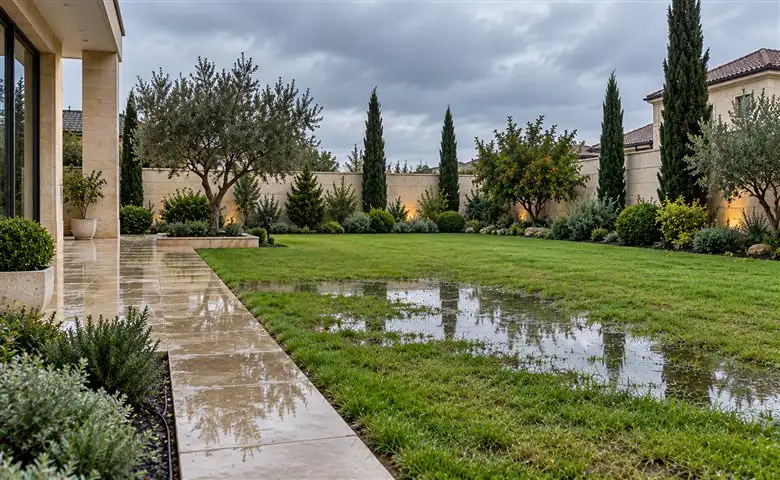
Learn why rainwater collects in the garden, what damage it causes and which practical steps can solv...
Our professional team will help make your garden more beautiful.
