 Order via WhatsApp




17
Jun
Irrigation system: garden setup and care guide
Plan garden irrigation with suitable drip lines, sprinklers and watering zones. Learn about pressure...

Your cart is empty
Professional gardening services to care for your green spaces.



Jun 17, 2026
3 min read
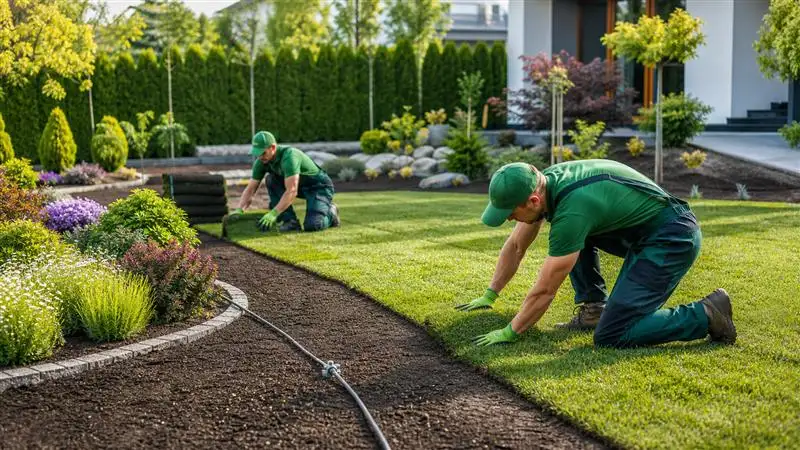
A lasting lawn depends on more than spreading seed or laying turf. Soil preparation, drainage, sunlight, irrigation and early care must work together. Planning these stages helps avoid thin growth, bare patches and repeated repairs.
A lawn used for play and frequent walking needs different qualities from an ornamental area viewed from a terrace. Consider wear, sun and shade, expected maintenance and the look you want. Select the grass type or seed mixture for those conditions rather than colour alone. Plan paths, seating, lighting cables, trees and irrigation before installing the lawn.
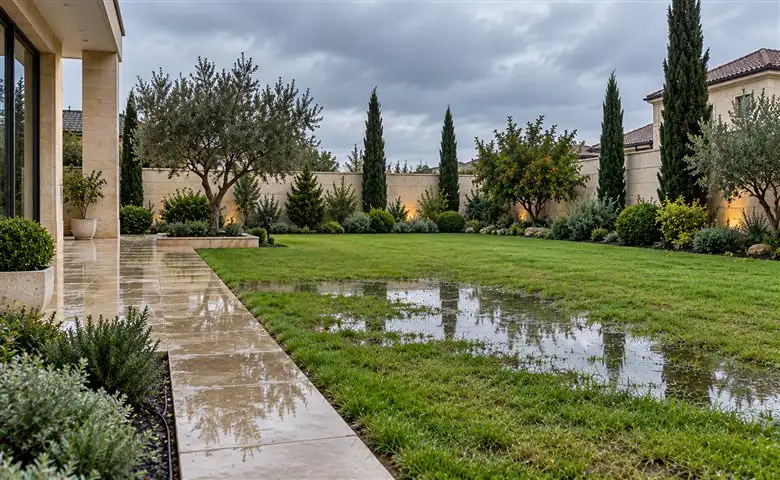
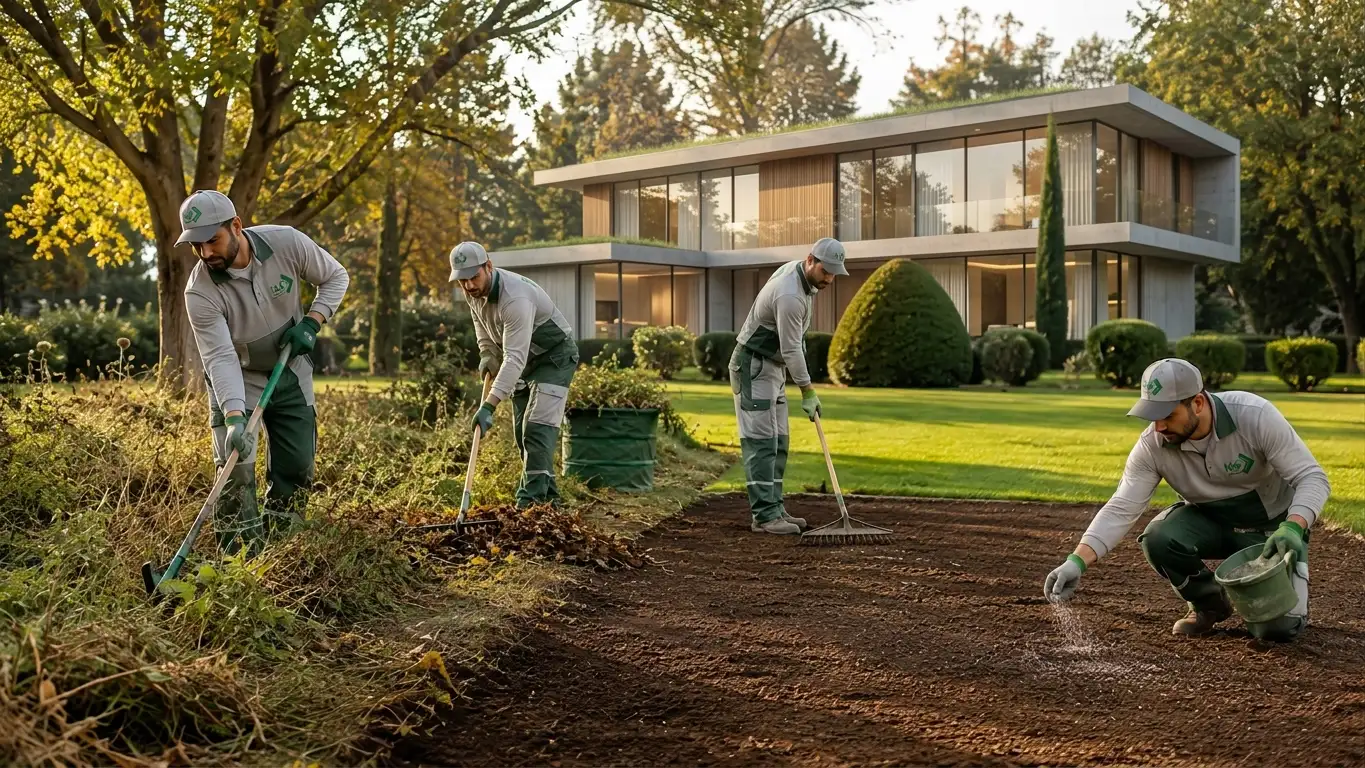
Remove construction debris, stones, unwanted roots and established weeds. Relieve compaction where appropriate and grade the surface so that water has a suitable route away. Making the ground look level will not resolve poor drainage beneath it.
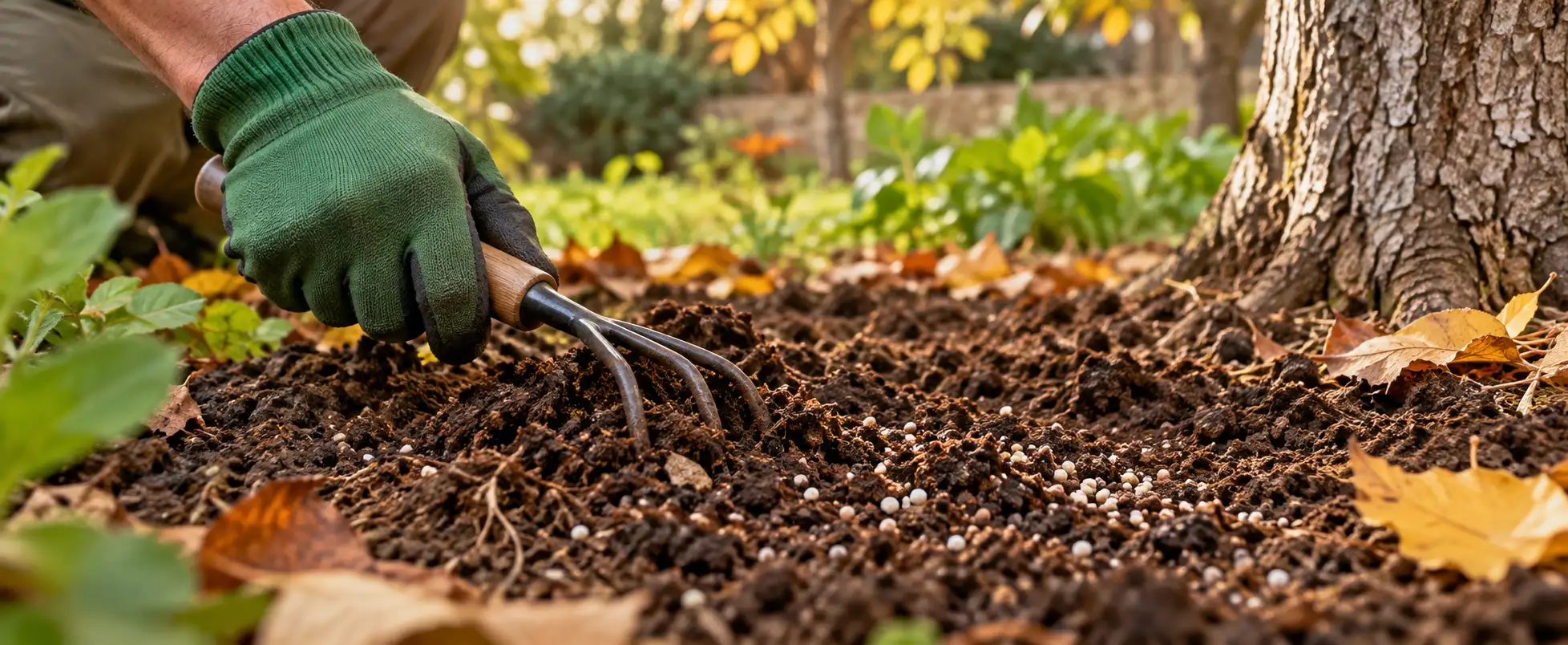
Assess the soil’s texture, fertility and pH before deciding on amendments. A compacted, waterlogged or very sandy site may need a different preparation plan. Add suitable material according to the findings instead of using the same soil or fertiliser recipe everywhere. Final preparation should produce a stable, even surface with a suitable layer for roots.
Seed offers a choice of mixtures but takes time to establish. The newly sown area needs protection from heavy use and careful moisture control. Turf provides an immediate green surface, yet it still needs to root into the prepared ground. Good contact between the turf and soil, suitable watering and restricted traffic remain essential.
The right option depends on the season, site conditions, budget and how soon the area needs to be used. Neither method removes the need for soil preparation and aftercare.
Keep the establishing root zone suitably moist without leaving it waterlogged. Check the actual soil condition and coverage rather than relying only on a timer. Wind, heat, shade and soil texture change how quickly an area dries. As roots develop, adjust the schedule to encourage appropriate rooting instead of continuing frequent surface wetting indefinitely.
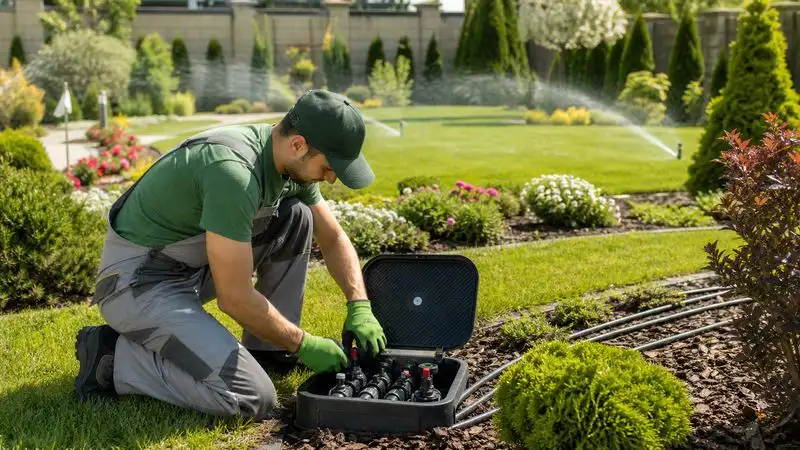
An irrigation system should distribute water evenly across the lawn. Dry corners and saturated low spots need investigation before they become permanent patches.
Begin mowing when the grass has reached a suitable height and, for turf, has rooted firmly enough. Use a sharp blade and avoid cutting too short. Mowing height should suit the grass and season; a single aggressive cut can stress a newly established lawn.
Choose fertiliser and application rates according to the soil assessment, grass needs and product instructions. More fertiliser does not necessarily produce healthier growth. Correct drainage or watering problems before treating every yellow patch as a nutrient deficiency.
Control weeds before they spread seed and diagnose bare or yellow patches. Shade, uneven watering, compaction, pets, pests and disease can produce similar symptoms. Repair the underlying cause before reseeding or replacing turf.
Seasonal care may include suitable aeration, adjustments to mowing and irrigation, debris removal and repair of thin areas at an appropriate time for the grass type. 166 Bağban can assess new lawns, repeatedly failing areas and larger sites, then coordinate installation with ongoing garden maintenance.
Learn more about Lawn Planting and Care. Share the address, approximate area and the problem you want to resolve. Call +994 50 290 87 69 or use the contact page.
Jun
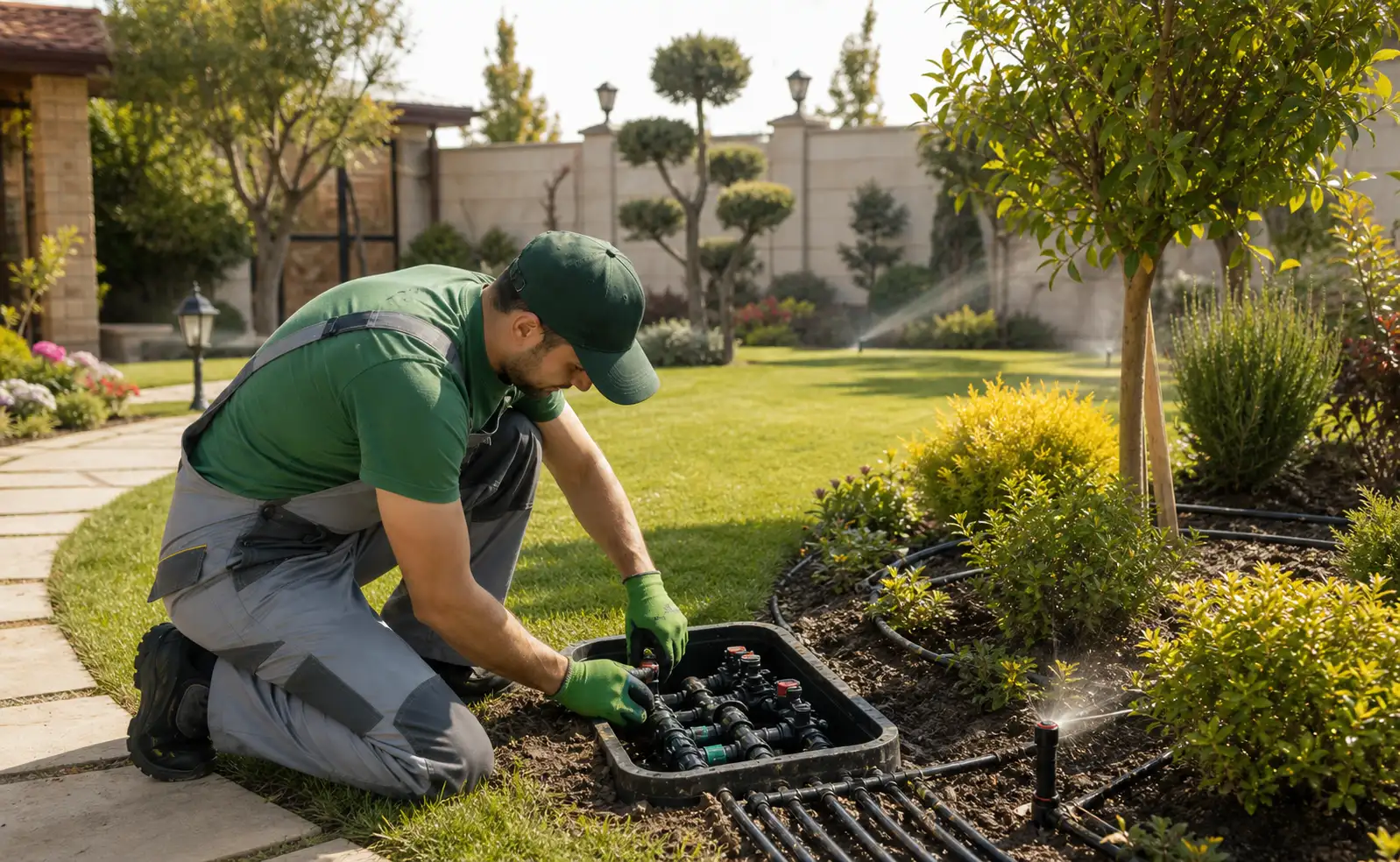
Plan garden irrigation with suitable drip lines, sprinklers and watering zones. Learn about pressure...
Jun
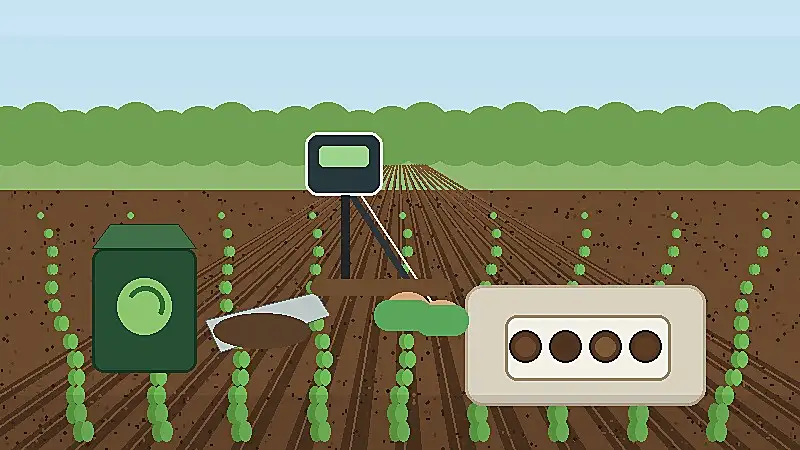
Understand soil pH, nutrients, compaction and drainage. Use soil analysis to plan planting, fertilis...
Jul
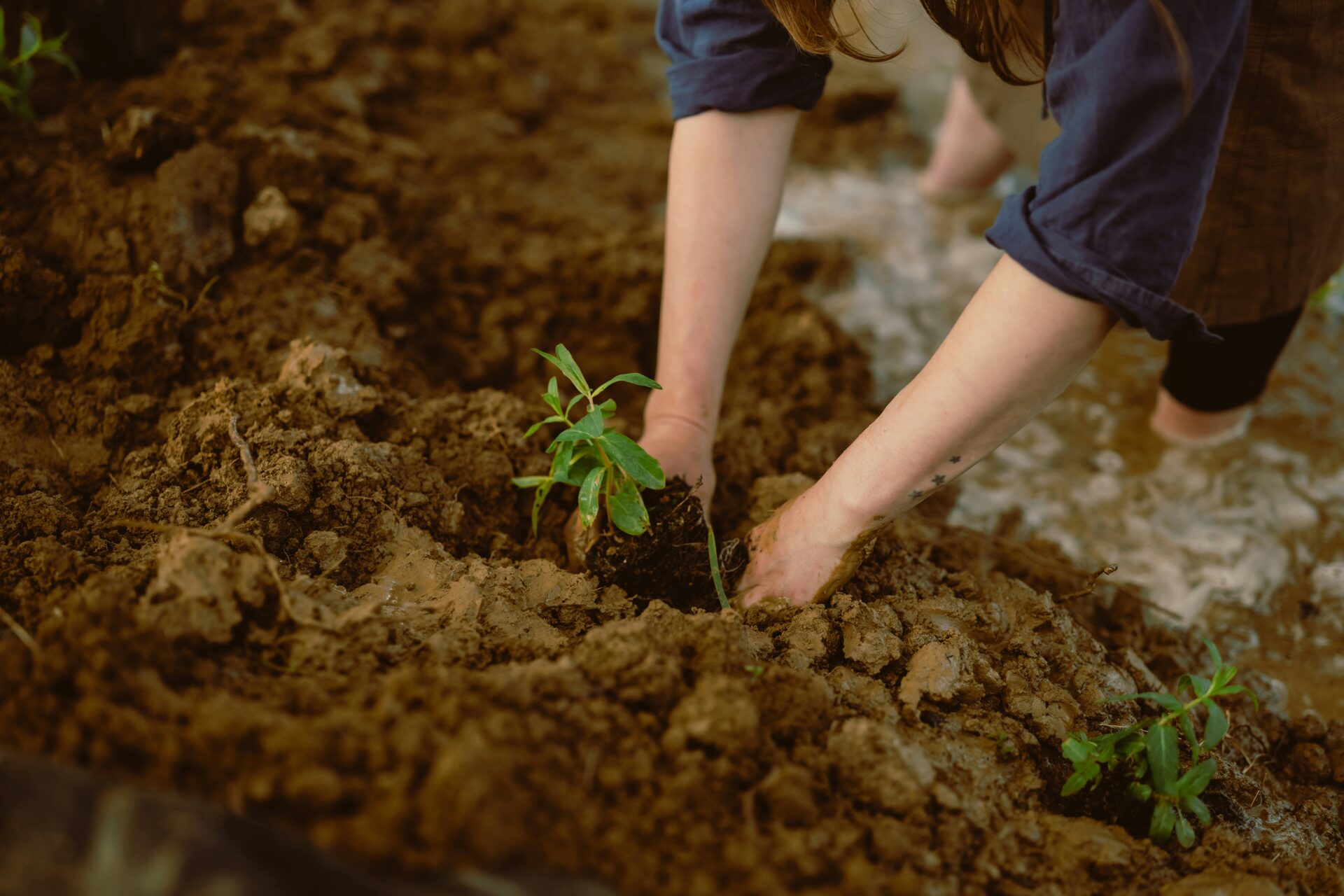
A practical summer watering plan for lawns, trees, shrubs and flowers in Baku and Absheron, with the...
Our professional team will help make your garden more beautiful.
