 Order via WhatsApp




17
Jun
Irrigation system: garden setup and care guide
Plan garden irrigation with suitable drip lines, sprinklers and watering zones. Learn about pressure...

Your cart is empty
Professional gardening services to care for your green spaces.



Jun 18, 2026
3 min read
Slow growth, yellow leaves and a thinning lawn can have several causes. If watering and repeated fertilisation have not helped, the soil deserves attention. Soil analysis, combined with an on-site assessment, provides a basis for choosing improvements instead of adding products by guesswork.
Depending on the tests requested, a laboratory can assess properties such as pH, organic matter, nutrient levels or salinity. Site inspection adds information about texture, compaction, drainage and root conditions. A laboratory result alone does not explain every plant problem, so interpret it alongside symptoms, watering history and the plants being grown.
The aim is to understand which conditions limit growth and whether the proposed plants suit the ground. This is useful before creating a new garden, laying a lawn, planting trees or repairing an area affected by construction.
Soil pH affects nutrient availability, and different plants prefer different ranges. Adding more fertiliser may not help if the existing nutrients are difficult for the roots to use. Any adjustment should be based on the test result and the needs of the intended planting. Avoid adding lime, acidifying products or other amendments without a reason.
Heavy traffic and building work can compact the ground, limiting the movement of water and air. Water that remains on the surface, restricted rooting and poor growth may justify closer inspection. Appropriate loosening or lawn aeration can form part of the plan, but the method and timing depend on moisture and site conditions.
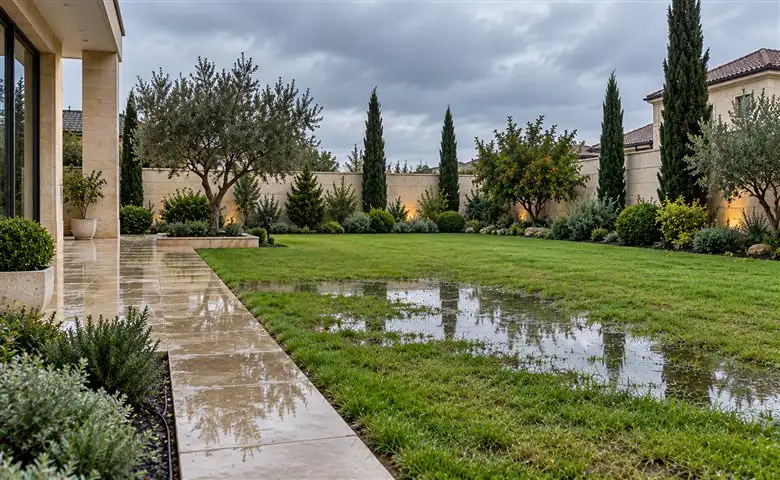
Clay and sandy soils behave differently. Clay-rich ground may drain slowly, whereas sandy soil may retain too little water. Assess the outlet and the underlying layers as well as the surface. More frequent watering cannot repair a blocked drain, and simply spreading new soil over a compacted layer may leave the original problem in place.
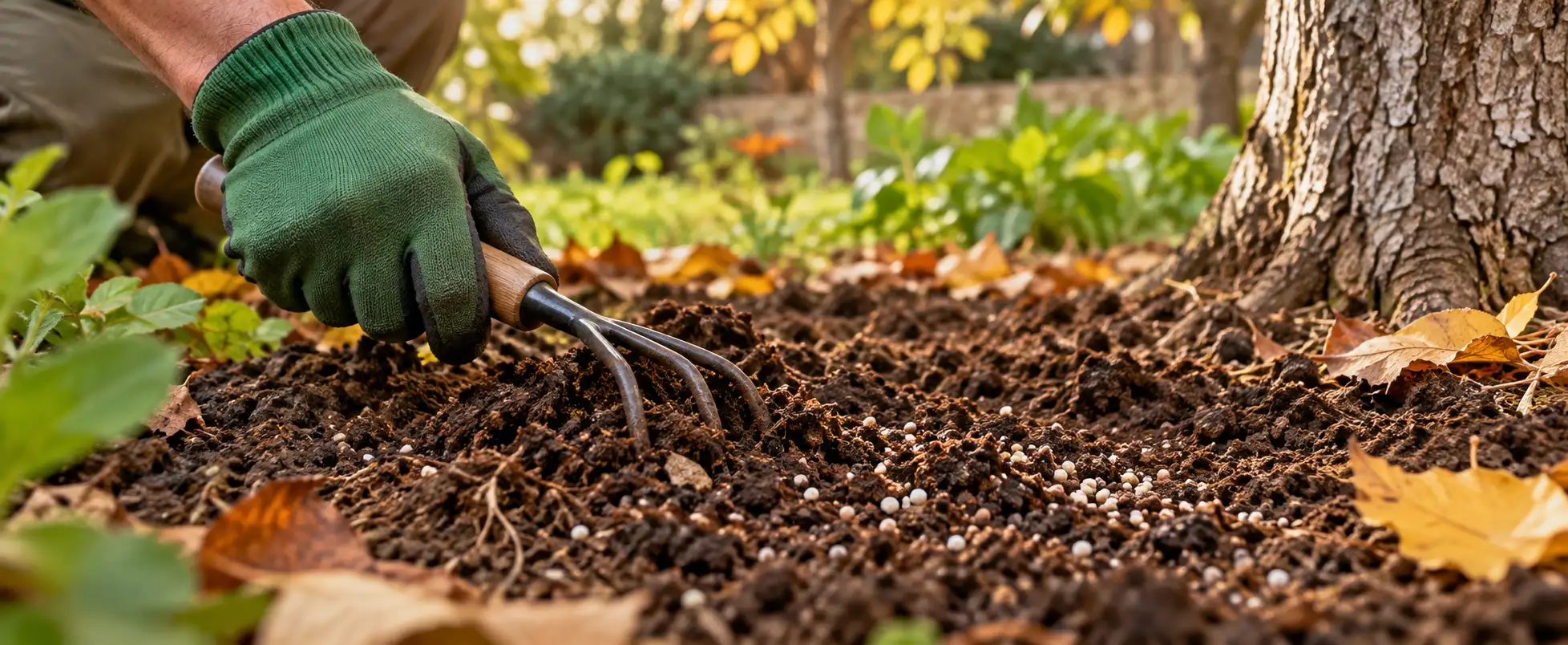
Choose improvements for the diagnosed need. Suitable compost or other organic material may help soil structure; appropriate topsoil may be needed during construction of a planting bed; a specific nutrient shortage may call for a measured fertiliser application. These are different interventions and should not be applied as a single standard package.
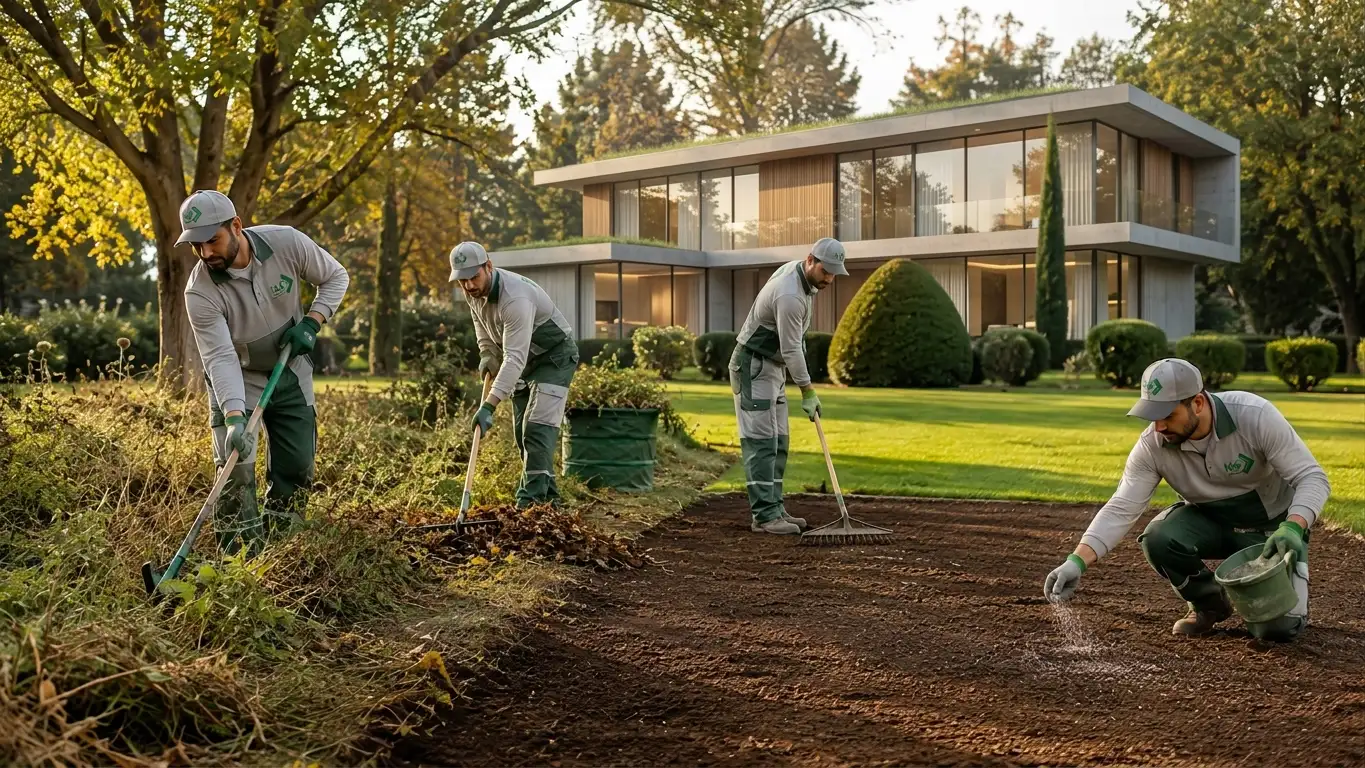
Salinity, poor-quality fill or persistent saturation may require a separate plan. Before seed or turf is installed, coordinate soil preparation, levels, drainage and irrigation so that the root layer can function properly.
Choose plants suited to the soil and exposure rather than continually trying to force unsuitable species to grow. Adjust irrigation to infiltration and water retention. Plan nutrition for the plant and season, and reassess changes in leaf colour, growth and lawn density instead of expecting an immediate transformation.
Consider it before major planting, after building work, when a lawn repeatedly fails or when fertiliser brings little improvement. Share the site history, previous treatments, irrigation routine and areas where the problem is most visible. Different parts of a garden may need separate assessment.
166 Bağban can use soil findings to coordinate planting, fertility restoration and ongoing maintenance. Improvements are monitored over time, and the plan is adjusted according to the response of the soil and plants.
Learn more about Soil Analysis and Fertility Restoration. Share the address, approximate area and the problem you want to resolve. Call +994 50 290 87 69 or use the contact page.
Jun
Plan garden irrigation with suitable drip lines, sprinklers and watering zones. Learn about pressure...
Jun
Plan a lawn from soil preparation to seed or turf, irrigation and the first mow. Learn how to mainta...
Jul
A practical summer watering plan for lawns, trees, shrubs and flowers in Baku and Absheron, with the...
Our professional team will help make your garden more beautiful.
